
Wedding and event floristry in 2026 involves much more than designing bouquets and centerpieces. Florists now manage consultations, proposal drafts, pricing structures, flower availability planning, vendor coordination, delivery schedules, and contract approvals—all before event setup begins. Because of these growing responsibilities, many studios are adopting florist proposals software for weddings and events to manage projects more efficiently from the first inquiry to the final installation day.
Instead of relying on spreadsheets, printed worksheets, and scattered emails, specialized proposal tools help bring every planning stage into one organized workflow.
Florists typically manage multiple steps during the proposal stage, including:
Instead of exchanging multiple attachments through email, florists can send one organized proposal that clients can review and approve quickly. Faster approvals help secure event dates earlier and reduce scheduling conflicts during busy wedding seasons.
These tools help florists:
This improves consistency across projects and helps teams prepare more efficiently during high-demand wedding months.
Recipe tracking also supports better coordination when multiple team members are involved in event preparation.
Modern florist proposal systems generate structured shopping lists automatically based on arrangement quantities and flower selections. This helps florists prepare precise purchasing plans ahead of event week and maintain better inventory control during peak seasons.
This reduces administrative delays and helps florists secure event dates sooner while keeping approval records organized in one place.
Faster confirmations also improve planning accuracy during busy wedding periods.
Clear task visibility becomes especially valuable for studios handling several weddings within the same week.
Studios exploring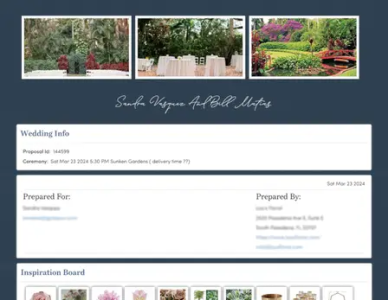 florist proposals software for weddings and events can benefit from tools that support proposal creation, recipe management, purchasing preparation, digital approvals, and event timeline tracking within one connected workspace.
As wedding expectations continue evolving, structured proposal workflows are becoming an essential part of delivering consistent, professional, and profitable floral events in 2026.
Instead of relying on spreadsheets, printed worksheets, and scattered emails, specialized proposal tools help bring every planning stage into one organized workflow.
Event Floral Planning Requires Better Coordination Today
Modern weddings and large-scale events demand detailed planning and clear communication. Clients expect structured proposals that outline arrangements, colour palettes, quantities, timelines, and estimated costs before confirming bookings.Florists typically manage multiple steps during the proposal stage, including:
- consultation notes and design preferences
- arrangement planning and revisions
- stem-level quantity estimation
- vendor coordination timelines
- delivery scheduling
- pricing breakdowns
- contract approvals
Digital Proposals Help Florists Confirm Bookings Faster
Couples planning weddings in 2026 expect proposal documents they can review easily on their phones or laptops. Proposal software allows florists to prepare clear and professional presentations that combine arrangement details, quantities, timelines, and pricing into a single structured document.Instead of exchanging multiple attachments through email, florists can send one organized proposal that clients can review and approve quickly. Faster approvals help secure event dates earlier and reduce scheduling conflicts during busy wedding seasons.
Stem-Level Cost Planning Supports Better Profit Margins
Pricing weddings accurately has become more important as flower availability and supply costs continue changing throughout the year. Proposal software designed specifically for florists often includes automated stem-counting features that estimate material requirements based on arrangement selections.These tools help florists:
- prevent underquoting large events
- adjust markups more confidently
- calculate labour and supply costs faster
- review margins before confirming proposals
Floral Recipe Libraries Improve Workflow Consistency
Many wedding installations include arrangements that follow repeatable design structures. Proposal software allows florists to save bouquet recipes, centerpiece layouts, and installation material lists inside reusable templates.This improves consistency across projects and helps teams prepare more efficiently during high-demand wedding months.
Recipe tracking also supports better coordination when multiple team members are involved in event preparation.
Automated Shopping Lists Make Purchasing Easier
Accurate purchasing plays a major role in successful event execution. Ordering too many stems increases waste, while ordering too few creates last-minute sourcing challenges.Modern florist proposal systems generate structured shopping lists automatically based on arrangement quantities and flower selections. This helps florists prepare precise purchasing plans ahead of event week and maintain better inventory control during peak seasons.
Digital Contract Signing Simplifies Approvals
Traditional contract workflows often slow down booking confirmations. Proposal software now allows clients to review and sign agreements digitally from any device.This reduces administrative delays and helps florists secure event dates sooner while keeping approval records organized in one place.
Faster confirmations also improve planning accuracy during busy wedding periods.
Task Tracking Helps Teams Stay Organized
Wedding floristry projects involve multiple preparation stages, from consultation follow-ups to delivery scheduling and installation planning. Proposal software helps florists assign responsibilities, track deadlines, and manage timelines inside one system.Clear task visibility becomes especially valuable for studios handling several weddings within the same week.
Why Proposal Software Is Becoming Essential for Florists in 2026
Floral businesses are increasingly adopting integrated planning systems because event workflows now connect directly with inventory tracking, pricing accuracy, and delivery coordination. Proposal platforms help bring these operations together into a structured and reliable process.Studios exploring
florist proposals software for weddings and events can benefit from tools that support proposal creation, recipe management, purchasing preparation, digital approvals, and event timeline tracking within one connected workspace.As wedding expectations continue evolving, structured proposal workflows are becoming an essential part of delivering consistent, professional, and profitable floral events in 2026.