

Wiedson Engineering
New member
Global shipping operations handle more than 80 per cent of worldwide trade, but outdated systems continue to waste time and fuel for multiple tankers. The existing gap decreases profitability while it increases maritime operational hazards.
Ship operators frequently encounter problems with their operations because cargo handling processes take too long, they use too much fuel, and their safety standards fail to meet requirements.
The guide explains how advanced tanker ship equipment, which includes mining engines, operates to enhance cargo transportation. It demonstrates how contemporary systems enhance operational speed and safety measures and fuel consumption efficiency.
These engines focus on:
Mining engines offer that reliability. They reduce downtime and keep cargo moving without delays.
Preventive maintenance: Regular inspections help detect small issues early and stop them from turning into major faults.
Predictive maintenance: Data-driven systems track engine health and predict when parts may fail, allowing timely action.
Scheduled servicing: Planned service intervals ensure all components are checked and replaced as needed without disrupting operations.
Condition monitoring: Continuous tracking of temperature, pressure, and vibration helps maintain optimal engine performance.
Advanced equipment, including smart sensors and automated controls together with safety systems, delivers better performance results.
Tanker operators achieve cost savings through appropriate installations while maintaining regulatory compliance and competitive advantage in an industry that experiences rapid changes.
Ship operators frequently encounter problems with their operations because cargo handling processes take too long, they use too much fuel, and their safety standards fail to meet requirements.
The guide explains how advanced tanker ship equipment, which includes mining engines, operates to enhance cargo transportation. It demonstrates how contemporary systems enhance operational speed and safety measures and fuel consumption efficiency.
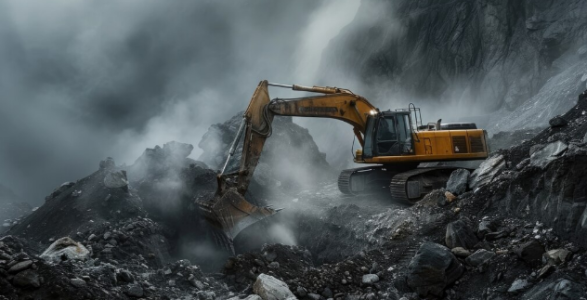
What Are Mining Engines?
Mining engines in tanker ships are not limited to land-based mining. Instead, they refer to powerful engine systems designed to handle heavy-duty loads, similar to mining operations.These engines focus on:
- High torque output
- Long operating cycles
- Strong fuel efficiency under pressure
Why They Matter
Modern tankers carry massive liquid cargo such as crude oil, chemicals, and LNG. Therefore, they need engines that can handle constant strain without failure.Mining engines offer that reliability. They reduce downtime and keep cargo moving without delays.
Key Engine Specs to Look At
The performance of a tanker during long-distance operations depends on which engine type is selected.Fuel flexibility
The ideal mining engine requires the ability to operate on three different fuel types, which include heavy fuel oil, marine diesel, and LNG. The system enables operators to manage their expenses while simultaneously providing them with the ability to comply with changing fuel regulations.Power-to-weight ratio
Engines with a strong power-to-weight ratio deliver high output without adding too much mass. The system maintains operational efficiency while safeguarding precious cargo storage areas.Maintenance intervals
Extended service periods result in reduced requirements for maintenance stops and repair work. This becomes essential for long-distance journeys because equipment failures create operational delays, which lead to higher expenses.Emissions compliance
Engines must meet strict standards such as IMO Tier III, especially in regulated regions like Singapore. Organisations achieve better port access through compliance, which also protects them from expensive penalties.How Mining Engines Improve Cargo Efficiency
Mining engines support tanker ships with steady power and long run times. They help reduce delays while keeping cargo transport smooth and cost-effective.Higher Power Output
Mining engines deliver strong and stable power even under heavy loads. This allows tankers to maintain speed without putting stress on the system.- Keeps vessel speed steady with full cargo
- Supports heavy-duty operations over long routes
- Reduces strain on engine components
Better Fuel Efficiency
Fuel use is a major cost in shipping, so efficiency matters a lot. Mining engines use advanced systems to burn fuel more effectively and waste less energy.- Lowers overall fuel consumption
- Improves energy output per unit of fuel
- Cuts operational costs over time
Reduced Downtime
Frequent breakdowns can disrupt schedules and increase costs. Mining engines are built to last, so they need fewer repairs and checks.- Extends service intervals between maintenance
- Minimises unexpected engine failures
- Keeps cargo operations running without delays
Choosing the Right Equipment for Your Fleet
The different operating conditions of each tanker lead to equipment requirement variations. The right choice depends on how the ship is used and the routes it covers.Cargo type
Different cargo types need specific handling systems and safety measures. Proper setup selection enables efficient transport operations while minimising potential hazards.Route distance
Durable systems with extended maintenance intervals become essential for operations across extended routes. The system maintains operational consistency while preventing delays during the entire service period.Fuel costs
Fuel prices can impact overall profit, so efficient systems are essential for business operations. The right engine and support systems selection enables effective expense management.Environmental rules
Shipping regulations vary by region and must be followed closely. The implementation of compliant equipment enables efficient port operations while preventing regulatory fines.Safety Systems That Protect Cargo and Crew
Safety systems play a vital role in tanker operations at sea. They help prevent accidents and protect both cargo and crew at all times.Gas Detection Systems
These systems monitor vapour levels to detect any dangerous gas build-up early.- Tracks gas levels in real time
- Triggers instant alarms on risk detection
- Helps prevent explosions and leaks
Fire Suppression Systems
These systems control and stop fires before they spread across the vessel.- Uses foam and inert gas to control flames
- Reduces fire damage quickly
- Protects cargo storage areas
Emergency Shutdown Systems
These systems stop operations immediately during critical failures.- Shuts down pumps and engines instantly
- Limits damage during emergencies
- Ensures crew safety in high-risk situations
Environmental Impact and Compliance
The shipping industry now must follow international regulations which mandate pollution reduction and ocean protection efforts.Emission Control
The modern mining engines come equipped with systems which decrease their production of hazardous exhaust emissions. The system enables tankers to successfully meet international standards, which include IMO regulations, while preventing financial penalties.Energy Efficiency Systems
The design of advanced tanker systems aims to achieve fuel conservation through the implementation of intelligent technological solutions. The system uses waste heat recovery and optimised routing to achieve emission reductions and operational efficiency improvements.Role of Digital Twins in Tanker Operations
Digital twin technology creates a virtual model of a ship. This model mirrors real-time data.Benefits of Digital Twins
- Predict equipment failure
- Improve maintenance planning
- Optimise fuel use
Maintenance Strategies for Mining Engines
Proper care keeps mining engines running without interruption and supports long-term performance. It also helps reduce repair costs and avoid sudden failures at sea.Preventive maintenance: Regular inspections help detect small issues early and stop them from turning into major faults.
Predictive maintenance: Data-driven systems track engine health and predict when parts may fail, allowing timely action.
Scheduled servicing: Planned service intervals ensure all components are checked and replaced as needed without disrupting operations.
Condition monitoring: Continuous tracking of temperature, pressure, and vibration helps maintain optimal engine performance.
Conclusion
Contemporary tanker vessels depend on robust systems that enable them to transport freight at high speeds while maintaining secure operations. The most powerful mining engines used in applications show exceptional strength, extended service life and efficient fuel consumption.Advanced equipment, including smart sensors and automated controls together with safety systems, delivers better performance results.
Tanker operators achieve cost savings through appropriate installations while maintaining regulatory compliance and competitive advantage in an industry that experiences rapid changes.


